
Charlotte Autism Advocates
For Autistic Adults.
Understanding yourself through a different lens.
recognizing autism
Autism doesn't always look the way we've been taught it does.
For many adults, particularly those who have spent a lifetime adapting to the expectations of others, autism can go unrecognized for decades. You may have been described as highly sensitive, anxious, perfectionistic, intense, or simply a little different.
Perhaps you've always felt like everyone else received a manual for navigating life that you somehow missed.
Autism is a lifelong neurodevelopmental difference that influences how we process information, experience our surroundings, communicate, and connect with others. For some, these differences are readily apparent. For others, much of the autistic experience happens internally.
Recognizing autism begins with looking beyond stereotypes and understanding the experiences that may have been there all along.
Rehearsing conversations, consciously navigating social expectations, preferring direct communication, or needing significant time alone after social interactions.
Social & Communication Differences
Heightened or reduced sensitivity to sound, light, textures, smells, touch, and internal bodily sensations.
Sensory Processing Differences
Immersing yourself in particular interests, thinking deeply about specific topics, and experiencing difficulty shifting your attention.
Deep Interests & Focus
Finding comfort in familiarity, mentally preparing for activities, or experiencing distress around unexpected changes.
Predictability & Transitions
Observing and mimicking others, suppressing natural movements, forcing eye contact, or consciously adjusting your personality to fit in.
Masking & Compensation
Experiencing shutdowns, meltdowns, or periods of profound exhaustion after prolonged sensory, social, or cognitive demands.
Overwhelm & Exhaustion
Sensory Corner! (Differences)
The world feels different to different nervous systems.
For autistic people, everyday experiences like grocery shopping, wearing certain clothes, attending social gatherings, or even recognizing hunger can involve a completely different sensory experience.
Some of us experience the world at an amplified volume, while others seek out more intense sensory input. Many of us experience a combination of both, with our sensory needs shifting depending on stress, energy, and environment.
Understanding your unique sensory profile can help you make sense of experiences you've had throughout your life and create an environment that works with your nervous system rather than against it.
More than 5 senses
-
Sight
Light, colors, movement, visual clutter and patterns.
-
Sound
Background noise, unexpected sounds, volume and competing conversations.
-
Touch
Clothing, textures, temperature and physical contact.
-
Smell
Fragrances, food smells and environmental odors.
-
Taste
Flavors, intensity and food preferences.
-
Body awareness
Pressure, body position, coordination and force.
-
Movement & balance
Motion, gravity, spatial orientation and balance.
-
Internal body awareness
Hunger, thirst, pain, heartbeat and other internal signals.
Sensory Seeking vs. Sensory Avoiding

SENSORY SEEKING.
Seeking additional sensory input for pleasure, stimulation, comfort, or regulation.
Deep pressure
Crunchy foods
Repetitive movement
Listening to music on repeat
Touching different textures
Rocking or pacing
You can have both.
Sensory seeking and sensory avoiding aren't mutually exclusive. You might crave deep pressure but be overwhelmed by light touch, love loud music but struggle with background conversations. Your sensory needs can also change depending on your environment, stress levels, and available energy.

SENSORY AVOIDING.
Reducing sensory input that feels overwhelming, uncomfortable, distracting, or painful.
Avoiding bright lights
Wearing noise-canceling headphones
Removing clothing tags
Avoiding certain food textures
Seeking quiet spaces
Limiting physical contact
Resources and Recommended Reading
The Bookshelf
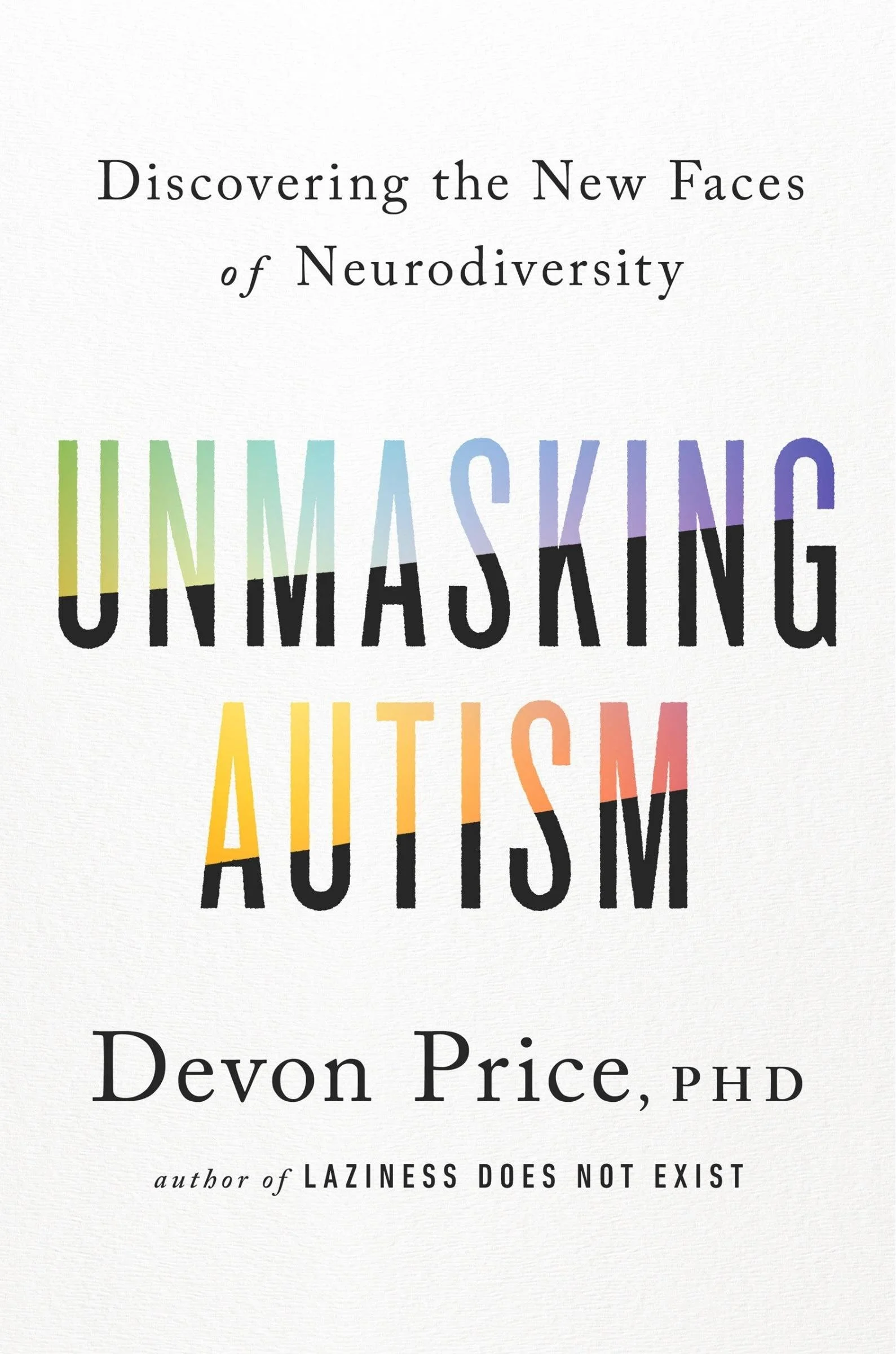

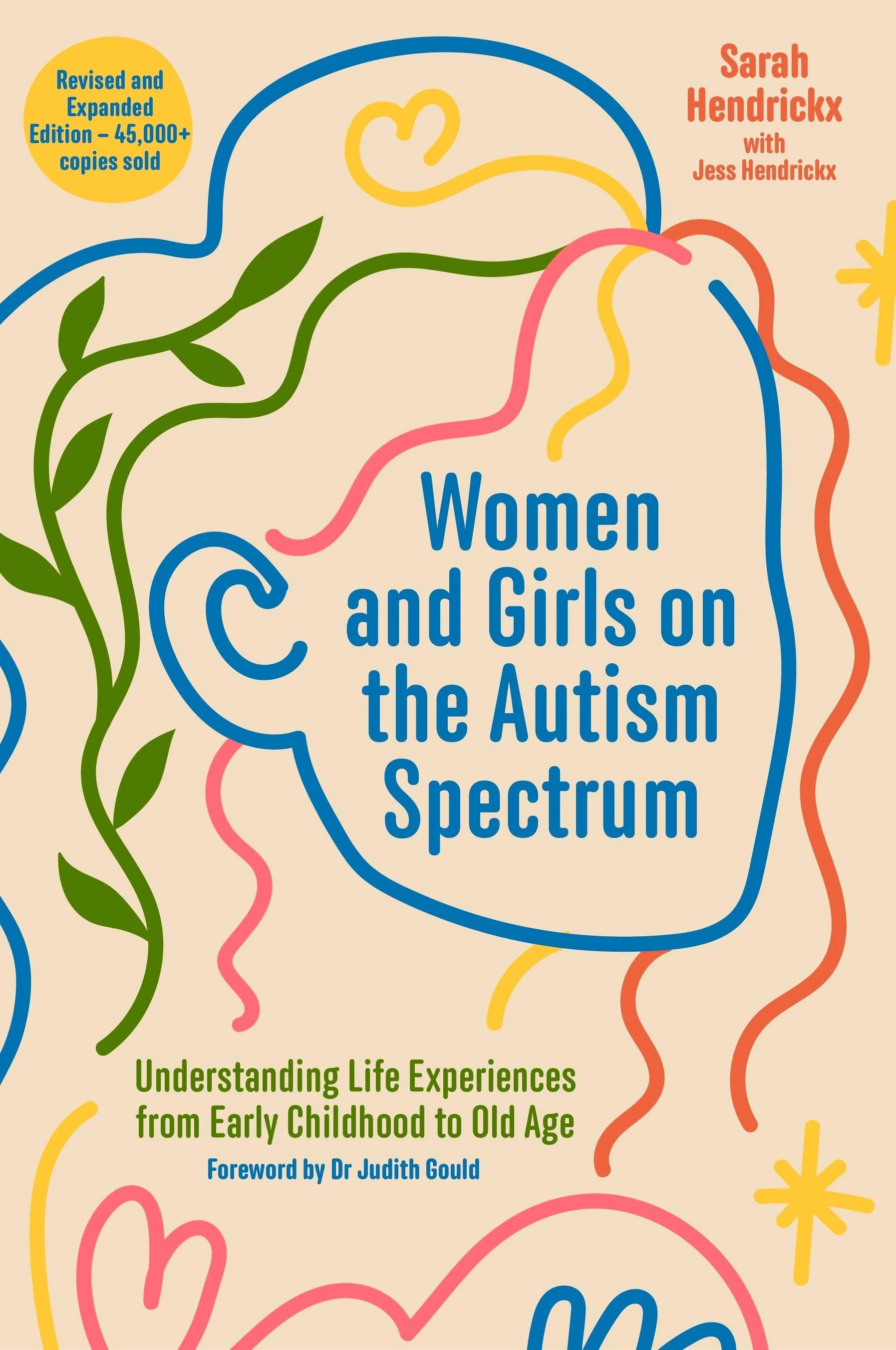
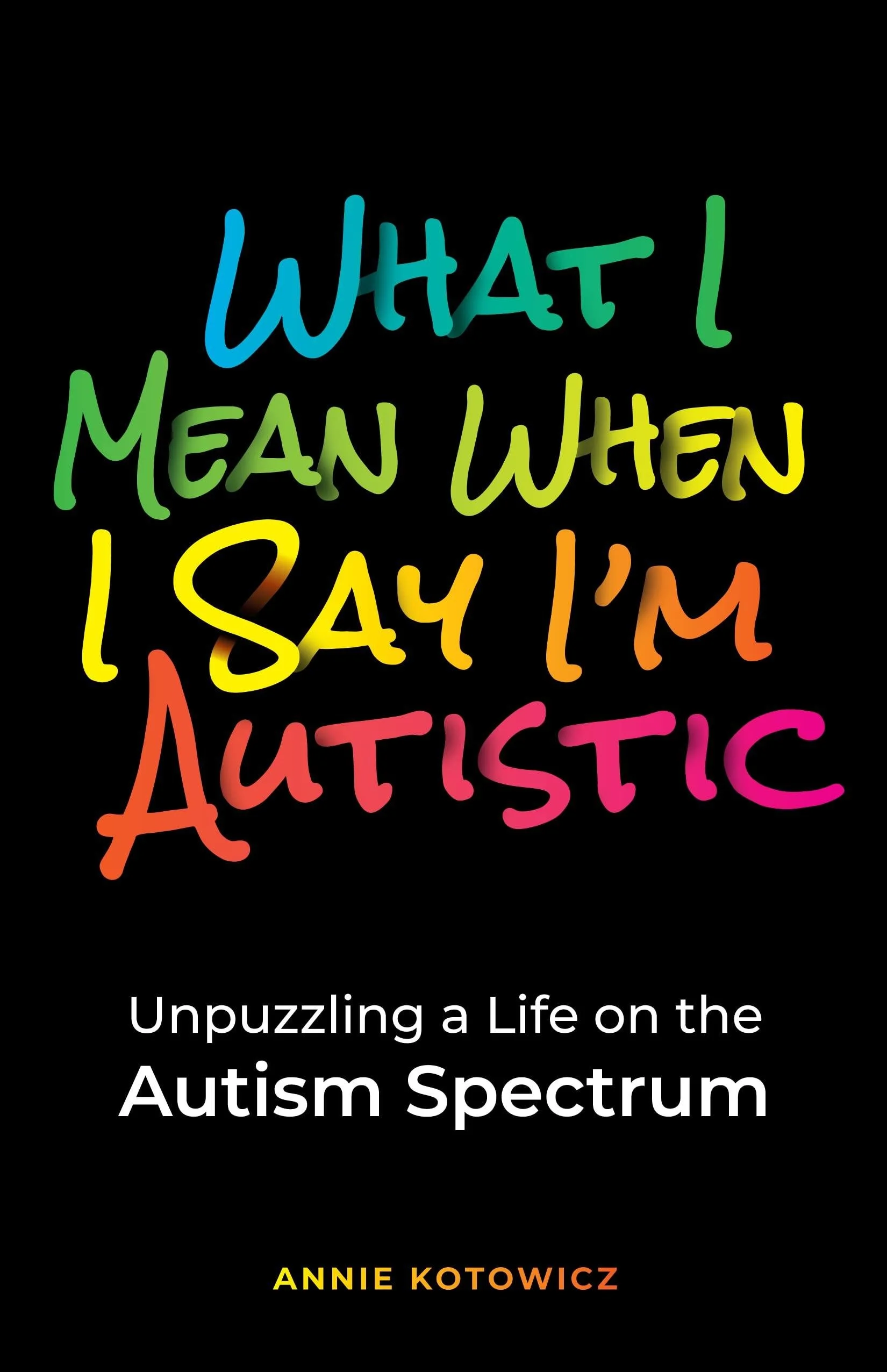
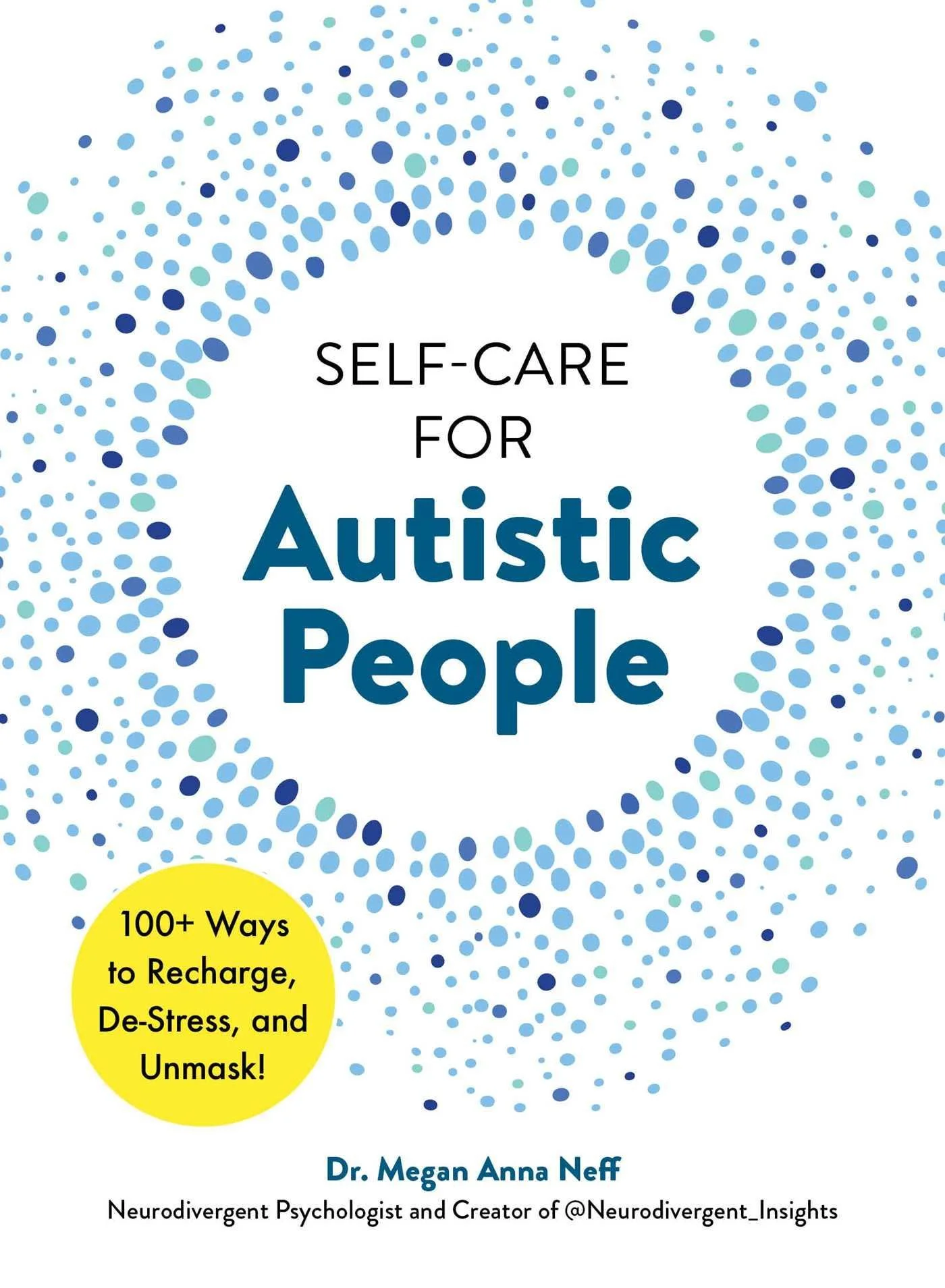
Explore More:

Talking to Loved Ones
Discovering that you're autistic can change the way you understand nearly every aspect of your life. But while things may finally be making sense to you, the people around you may need time to understand this new perspective.
Sharing your autistic identity can bring up feelings of vulnerability, uncertainty, relief, and even grief. You may worry about being dismissed, misunderstood, or viewed differently by the people you love.
Remember that you don't owe anyone a disclosure, an explanation, or proof of your autistic identity. You get to decide who you share this part of yourself with, when you share it, and how much you want them to know.
Sound familiar?
“But you don't look autistic.”
WHAT YOU MIGHT SAY:
Autism isn't defined by appearance. Much of my autistic experience happens internally, and I've spent years learning how to navigate social expectations.
“Everyone's a little autistic.”
WHAT YOU MIGHT SAY:
While many people relate to individual autistic traits, autism involves a broader, lifelong pattern of differences that shapes how I experience the world.
“You've never had a problem before.”
WHAT YOU MIGHT SAY:
Just because you haven't seen me struggling doesn't mean I haven't struggled. I've learned to compensate in ways that haven't always been visible to others.
“Why do you need a label?”
WHAT YOU MIGHT SAY:
Understanding that I'm autistic gives me a framework for making sense of my experiences, recognizing my needs, and offering myself more compassion.
“You're using autism as an excuse.”
WHAT YOU MIGHT SAY:
Understanding why something is difficult for me allows me to approach it differently. I'm learning to recognize my needs rather than continually overriding them.
-
Consider who feels emotionally safe, respects your experiences, and is willing to learn alongside you.
-
An in-person conversation, a letter, a text message, or even sharing an article can be a meaningful starting point.
-
You don't have to answer every question, defend your identity, or take responsibility for someone else's reaction.
Copy us!
I've been learning more about autism, particularly how it can present in adults who have spent much of their lives masking or adapting to others.
So much of what I've learned resonates with my own experiences and has helped me understand things about myself that I've struggled to make sense of for years.
I'm still learning what this means for me, and I wanted to share it with you because you're an important part of my life. I don't expect you to understand everything right away, but I'd appreciate your openness and willingness to learn alongside me.
Understanding Autistic Burnout
What happens when the demands of life consistently exceed your capacity?
For many autistic adults, years of masking, navigating sensory environments, managing social expectations, and adapting to a world that doesn't accommodate their needs can come at a significant cost. Autistic burnout is a state of profound physical, mental, and emotional exhaustion that can result from prolonged stress, cumulative demands, and insufficient support or opportunities for recovery.
You may find yourself struggling with things you were previously able to do. Everyday tasks become increasingly difficult, your tolerance for sensory input decreases, and your desire to withdraw from the world intensifies.
Understanding autistic burnout can fundamentally change how you interpret your exhaustion, your needs, and your capacity.
Recognize the Signs:
Profound exhaustion
Heightened sensitivity
Reduced access to skills that once felt easier
Social withdrawal
Executive dysfunction
Emotional overwhelm
Autistic Burnout vs. Depression
AUTISTIC BURNOUT
Often develops from cumulative demands, prolonged masking, and insufficient accommodations.
May still enjoy special interests but lack the energy or capacity to engage in them.
Increased sensory sensitivities and reduced tolerance for stimulation.
Difficulty accessing previously established skills and abilities.
Increased need for solitude, quiet, and reduced expectations.
Recovery often involves reducing demands, accommodating sensory needs, and allowing for meaningful rest.
DEPRESSION
Can develop from a variety of biological, psychological, and environmental factors.
May involve a loss of interest or pleasure in previously enjoyable activities.
Persistent sadness, emptiness, hopelessness, or feelings of worthlessness.
May involve reduced motivation, energy, and cognitive functioning.
Withdrawal may be associated with low mood or diminished interest in connection.
Treatment may include psychotherapy, medication, behavioral activation, and social support.
-
![]()
Reduce
Reduce nonessential demands, commitments, social obligations, and sensory stressors wherever possible.
-
![]()
Replenish
Make space for restorative experiences, solitude, special interests, stimming, and meaningful rest.
-
![]()
Accommodate
Adapt your environment, routines, and expectations to reflect your actual capacity.
-
![]()
Connect
Seek accepting relationships, practical assistance, autistic community, and neurodiversity-affirming professional support.




Co-occurring Diagnoses
Autism rarely exists in isolation.
Many autistic adults also experience other neurodevelopmental, psychological, or physical health conditions. Understanding how these conditions interact can be an important part of understanding your own experiences and identifying the support you need.
For some adults, an autism identification comes after years of receiving other diagnoses, engaging in therapy, or trying medications without fully understanding the underlying nature of their experiences.
Sometimes those earlier diagnoses are accurate. Sometimes they reflect a misunderstanding of autistic traits. And sometimes autism and other conditions coexist, creating a more complex picture.
Recognizing autism doesn't necessarily invalidate your previous diagnoses, but it may offer a new lens through which to understand them.
-
Differences in attention regulation, executive functioning, impulse control, motivation, and activity levels.
-
Persistent worry, panic, social anxiety, or fear that may be intensified by sensory and environmental demands.
-
Intrusive thoughts and compulsions that may coexist with, but are distinct from, autistic routines and repetitive behaviors.
-
Changes in mood, energy, motivation, and enjoyment, sometimes occurring alongside chronic masking or autistic burnout.
-
Trauma-related responses that may be shaped by bullying, invalidation, victimization, or other adverse experiences.
-
Including ARFID, which may involve sensory sensitivities, fear of adverse consequences, or limited interest in eating.
-
Difficulties falling asleep, staying asleep, maintaining sleep rhythms, or experiencing restorative sleep.
-
Including dyslexia, dyscalculia, and other differences in how information is processed and learned.
Diagnostic Overshadowing + Misdiagnosis
Diagnostic overshadowing occurs when a person's experiences are attributed to an existing diagnosis without adequately exploring other possible explanations.
For autistic adults, particularly those who mask or present in less recognizable ways, this can mean receiving treatment for anxiety, depression, trauma, or other mental health conditions while their underlying autistic differences and support needs remain unrecognized.
The reverse can also happen. Once someone is identified as autistic, legitimate physical or mental health concerns may be dismissed as simply being part of their autism.
Both experiences can prevent people from receiving appropriate care.
Looking beyond the diagnosis means becoming curious about the function, context, developmental history, and internal experience behind the behavior.
misdiagnosis
For many late-identified autistic adults, the journey to understanding themselves involves years of being misunderstood, misdiagnosed, or treated for symptoms without their underlying autistic differences being recognized.
Traditional stereotypes, masking, gender bias, and limited clinician training in diverse autistic presentations can all contribute to missed or inaccurate diagnoses.
Autistic traits and experiences may sometimes be mistaken for:
Borderline Personality Disorder (BPD)
Bipolar Disorder
Social Anxiety Disorder
Obsessive-Compulsive Disorder (OCD)
Depression
Complex PTSD
Avoidant Personality Disorder
Narcissism
While these conditions can genuinely coexist with autism, overlapping characteristics can make accurate identification more complicated.
A comprehensive assessment should consider developmental history, sensory experiences, masking, the internal experience behind behaviors, and the context in which symptoms occur.
An accurate understanding of someone's neurotype can fundamentally change the way they are supported, treated, and understood.
Masking
Autistic masking, also referred to as camouflaging, is the conscious or unconscious process of suppressing, modifying, or compensating for autistic traits in an effort to navigate social expectations.
For many autistic adults, masking begins in childhood, long before they have the language to understand what they're doing. They learn through observation, correction, rejection, and experience which parts of themselves are accepted and which parts are better kept hidden.
Over time, masking can become so deeply ingrained that it becomes difficult to distinguish between who you are and who you've learned to be.
While masking can serve a protective purpose, the ongoing effort of monitoring, adjusting, and suppressing your natural responses can come at a significant psychological, emotional, and physical cost.
-
Rehearsing conversations, preparing responses, and mentally reviewing social interactions.
-
Adopting the facial expressions, gestures, speech patterns, or personalities of others.
-
Consciously managing eye contact, facial expressions, tone of voice, and body language.
-
Hiding stimming, sensory discomfort, natural movements, or emotional responses.
-
Prioritizing the comfort and expectations of others while overriding your own needs.
-
Developing elaborate strategies to navigate situations that others may manage more intuitively.
WHAT THEY SEE vs WHAT YOU EXPERIENCE
Socially confident
Constantly monitoring social cues and rehearsing responses.
Easygoing
Suppressing discomfort, preferences, and personal needs.
Independent
Relying on extensive preparation and compensatory strategies.
Highly accomplished
Overworking to compensate for invisible difficulties.
Calm and composed
Managing intense internal distress or sensory overwhelm.
Friendly and agreeable
Monitoring others' reactions and fearing rejection.
Flexible and adaptable
Experiencing significant internal distress around unexpected changes.
Enjoying social events
Needing hours or days of recovery afterward.